Solar Quotes in Australia 2026 - What to Expect
What are Australian homeowners actually paying for solar in 2026? We break down typical solar quote ranges by system size, what's changed this year, and how to tell a fair price from an inflated one.
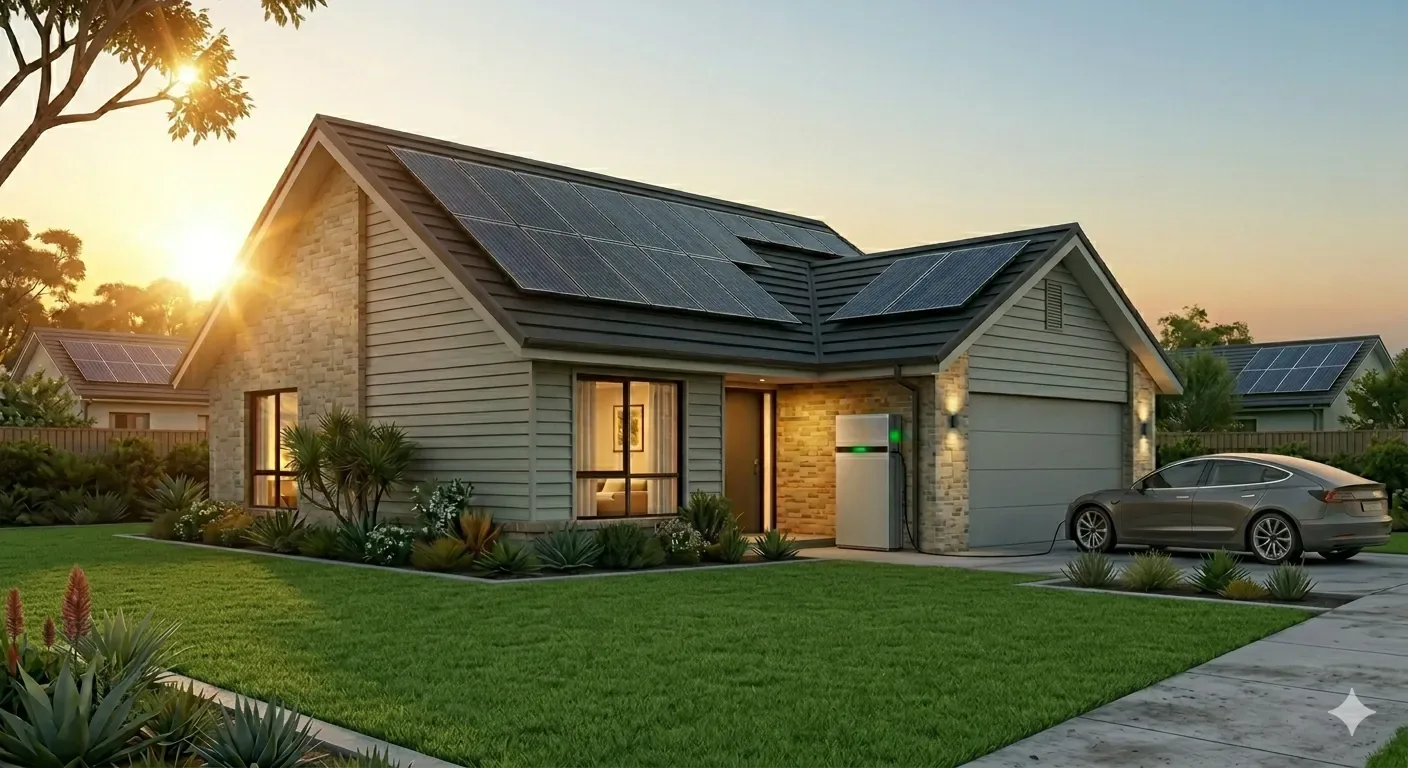
Solar panel prices in Australia have stabilised after years of decline. In 2026, most homeowners getting solar quotes are seeing a relatively predictable price range - but the variation between the cheapest and most expensive quotes for the same system can still be $3,000 or more. Here's what's driving that, and what you should expect to pay.
What a Solar Quote Covers
A complete solar quote from a CEC-accredited installer should include: panels (brand, model, wattage, quantity), inverter (brand, model, capacity), installation labour and hardware, STC rebate already deducted, grid connection fee (included or stated separately), and workmanship warranty terms.
If any of these are missing or vague - "quality panels" without a brand name, for example - treat the quote as incomplete and ask for specifics before proceeding.
Typical Quote Ranges in 2026
These are indicative ranges for mid-tier systems (Tier-1 panels, reputable inverter) installed by CEC-accredited installers in capital cities. Prices are after the STC rebate is deducted.
| System size | Net price range | Typical payback |
|---|---|---|
| 6.6 kW | $3,500–$6,000 | 3–5 years |
| 10 kW | $6,000–$10,000 | 4–6 years |
| 13 kW | $8,000–$13,000 | 4–7 years |
| 6.6 kW + 10 kWh battery | $12,000–$18,000 | 6–9 years |
Regional installs typically run 5–15% higher than capital city equivalents due to travel costs.
What's Changed in 2026
STC values remain solid. The Small-scale Renewable Energy Scheme (SRES) continues, with STC values trading around $30–$38 per certificate. For a 6.6 kW system in Zone 3, that's approximately $2,800–$3,500 off your gross price - making the net cost to most NSW and Victorian homeowners lower than the headline figures some installers advertise.
The Cheaper Home Batteries Program launched in May 2026 has increased interest in battery quotes. Battery storage prices have dropped, but the combination systems (solar + battery) are still priced at a significant premium over solar-only setups. For most homeowners without time-of-use tariffs, solar-only remains a faster payback.
Installer capacity has tightened. With record install volumes, wait times from established installers are longer than previous years. Homeowners accepting quotes from less-established operators to reduce wait times should take extra care to verify CEC accreditation and warranty terms.
Why Your Quote Might Be Higher or Lower
Higher than the ranges above: roof complexity (two-storey, multiple pitches, tile vs Colorbond), regional location, premium panel or inverter brands, switchboard upgrade required.
Lower than the ranges above: unknown panel brands with limited warranty support, installer using subcontractors rather than employees, shorter workmanship warranty, or genuinely competitive pricing from a high-volume installer.
If a quote is significantly below the ranges above, identify why before accepting it. A written, itemised quote makes this straightforward.
How to Get a Quote Worth Having
The most useful solar quote is one based on your actual roof - its orientation, pitch, shading, and available area - not a generic per-kW price multiplied by a recommended system size. Before requesting quotes, run a free solar check with Solar Scout. We model your roof using satellite data and give you a system size recommendation based on your specific address, so you can evaluate any quote against a benchmark that's relevant to you.
Related Articles
Ready to check your roof?
Free roof suitability check in 60 seconds · No callbacks unless you ask.